Using Vastu to Create a Productive and Positive Office Environment
Vastu for the office is about placing people and activities where the space supports them: the owner or senior leader in the south-west, desks facing north or east, a clear and well-lit entrance, meeting rooms in the north-west or west, and the north-east kept open and uncluttered. Most of these changes need furniture moves, not renovation.
Whether you run a five-person studio in Business Bay or a larger floor in Dubai Silicon Oasis, the layout of your office quietly shapes how people work: where conversations happen, how easily people focus, and how visitors feel when they walk in. Vastu Shastra offers a clear framework for thinking about that layout.
Start with the directions
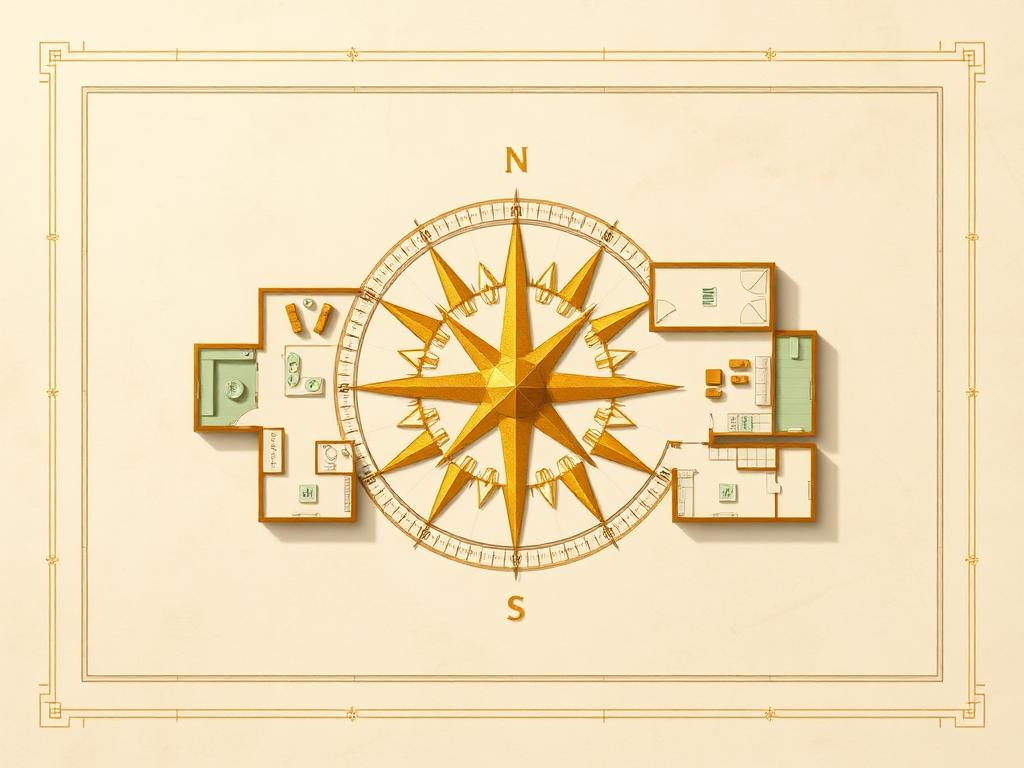
Before moving anything, find north. Use a compass app standing in the centre of the office, away from metal cabinets and electronics, and sketch a rough floor plan divided into nine zones: the centre, the four main directions and the four corners.
Each zone is associated with a quality:
- North: opportunity, new business, cash flow. - North-east: clarity, planning, calm. - East: new beginnings, visibility, connection. - South-east: energy and fire — the natural place for the pantry and electrical equipment. - South: reputation and recognition. - South-west: stability, authority, long-term decisions. - West: gains, results, completion. - North-west: movement, support, communication. - Centre (brahmasthan): open, light and uncluttered.
Where the owner or leader should sit
The south-west zone is traditionally the seat of stability and authority. The owner's or managing director's cabin works well there, with a solid wall behind the chair and the desk facing north or east.
If a cabin is not possible, place the leader's desk in the south-west part of the open floor. Avoid sitting with your back to the door or to a large window; a solid wall behind you gives a steadier sense of support during difficult conversations.
Desks and seating for the team
- Face north or east while working where possible. Many teams find this simple change easy to test. - Sales and business development teams suit the north and north-west, linked with opportunity and movement. - Finance and accounts suit the north (cash flow) or the south-west (steadiness). - Creative and planning work suits the north-east and east. - Keep walkways clear so people are not squeezed between desks and walls.
The entrance and reception
The entrance sets the tone for everyone who walks in. Entrances in the north, north-east or east are traditionally preferred. Whatever direction yours faces, keep it well lit, clean and free of boxes, shoes and deliveries.
Place reception in the north-east or east so visitors are greeted in a calm, open part of the office. A fresh plant, good lighting and a clean desk with nothing unrelated on it do more for first impressions than expensive décor.
Meeting rooms
The north-west, linked with movement and communication, suits meeting rooms and client discussions. The west, associated with results, works well for review meetings and closing decisions.
In any meeting room, avoid seating the most senior person with their back to the door. A round or oval table helps conversation flow; a long, narrow table tends to split the room into sides.
The pantry, storage and equipment
- Place the pantry, microwave, kettle and coffee machine in the south-east, the zone of fire. - Keep heavy storage, archives and filing cabinets in the south or south-west. - Keep the north-east light: no heavy cabinets, no storage piles, no bins. - Keep servers and large electrical equipment out of the north-east.
The centre of the office
The centre of the space is traditionally kept open. In practice, that means no pillars of boxes, no heavy furniture and no clutter in the middle of the floor. If your office layout puts a meeting table there, keep it light and uncluttered, and avoid using the centre for storage.
Light, air and clutter
Beyond directions, the simplest improvements often make the biggest difference:
- Maximise daylight, especially from the north and east. - Keep the air moving; open windows or blinds for a few minutes each morning where possible. - Clear desks at the end of each day. - Fix what is broken — flickering lights, sticking doors, a clock that has stopped. - Remove old paperwork, dead plants and unused equipment regularly.
Changes you can make this week without renovating
1. Turn two or three desks to face north or east. 2. Clear everything from the north-east corner. 3. Move the kettle and coffee machine to the south-east. 4. Clear and brighten the entrance. 5. Move the leader's desk so a solid wall sits behind the chair.
Try these for three or four weeks and notice how the office feels: how easily people settle, how meetings run, and how visitors respond when they arrive.
Questions people ask
Which direction should my office desk face according to Vastu? Facing north or east while working is traditionally preferred. For the owner or leader, a seat in the south-west zone facing north or east, with a solid wall behind, is the classic arrangement.
Can I apply Vastu in a rented office without renovating? Yes. Most Vastu improvements are about furniture placement, clearing specific zones, lighting and where activities happen. These can be changed in a rented office without structural work.
Where should the pantry be in an office? The south-east, the zone associated with fire, is traditionally preferred for the pantry, kettle, microwave and coffee machine. Keep the north-east free of these.